
Exterior house painting: preparation, weather and long-lasting results
Exterior painting has to do more than improve appearance. The coating is exposed to rain, sunlight, temperature changes, movement, dirt and the condition of the unde…
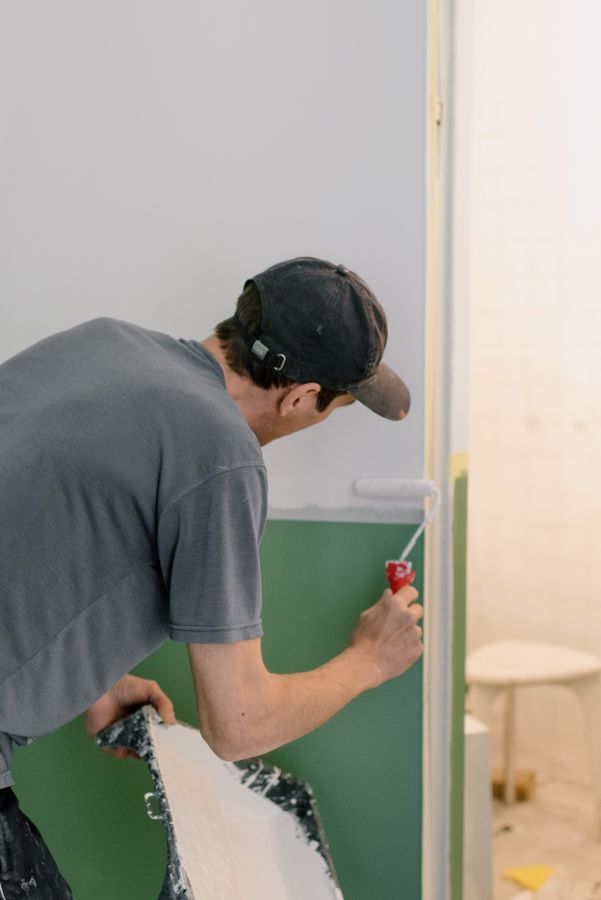
Exterior painting has to do more than improve appearance. The coating is exposed to rain, sunlight, temperature changes, movement, dirt and the condition of the underlying masonry or timber. A rushed exterior job can look excellent for a short period and then begin to blister, flake or crack because moisture, unstable paint or poor preparation was left underneath. The most reliable results come from treating the work as a protective system: inspect the building, repair defects, prepare each material correctly, choose a compatible coating and apply it in suitable weather. This guide explains how those stages fit together and what homeowners should look for when planning exterior decoration.
Survey the exterior before choosing paint
Begin by separating cosmetic wear from building defects. Faded colour and a chalky surface may simply indicate an ageing coating. Peeling concentrated around gutters, window heads or low-level masonry can point to moisture. Cracks may be limited to the decorative layer, or they may continue through render or masonry. Rotten timber cannot be rescued by paint, and active leaks cannot be sealed permanently with a decorative topcoat. The inspection should identify what needs repair before the coating system is selected.
Look at the building from several distances. Up close you can see adhesion, cracks and timber condition; from farther away you can see staining patterns and areas that weather differently. North-facing elevations may stay damp longer, while exposed walls receive more driving rain and wind. Sheltered areas under eaves can remain in better condition than the same coating on an open gable. These differences explain why one side of a house may need more preparation than another.
Access is part of the survey. Upper storeys, awkward extensions, conservatories and narrow side passages can change the safest way to carry out the work. Ladders are not automatically suitable for every task or duration. A quotation should therefore consider access equipment, protection of roofs and paving, and how windows, gutters and external fittings will be reached. Good access also improves quality because the decorator can work comfortably rather than stretching to finish edges.
Finally, identify the substrates. Render, brick, previously painted masonry, softwood, hardwood, metal and plastic components may all appear on the same elevation, but they do not share one universal paint system. Each material needs compatible preparation and coating. Treating the exterior as a collection of substrates rather than one large coloured surface is the foundation of a durable specification.
Key points
- Find and resolve moisture sources before painting over affected areas.
- Check every elevation because exposure and drying conditions vary around the building.
- Plan safe access before work starts, not once preparation is underway.
- Identify masonry, timber, metal and other substrates separately.
Preparation protects the coating from early failure
Loose paint must be removed to a sound edge. Painting over flakes simply attaches the new coating to a layer that is already detached from the building. The remaining surface then needs cleaning so that dust, algae, dirt and chalking do not interfere with adhesion. The exact method depends on the substrate and condition; aggressive washing can force water into defects or damage weak surfaces, so preparation should be controlled rather than indiscriminate.
Masonry cracks need appropriate repair before coating. Small stable cracks may be treated differently from movement cracks or failed render. The repair material should suit the wall and allow the finish to remain coherent. Filling a deep exterior crack with an unsuitable internal filler may create a hard patch that fails quickly. Where cracking suggests structural movement or significant water ingress, decoration should wait until the cause has been assessed.
Timber preparation is often more detailed. Failed coating should be removed, weathered fibres sanded back, joints checked and decayed areas repaired or replaced. Bare timber may need a suitable primer, and resinous knots or exposed end grain can require particular attention. Moisture trapped in timber is a major risk because coating a damp substrate can lead to blistering and decay beneath the paint. Drying time is therefore part of preparation, even when the surface looks visually ready.
Metalwork also needs its own treatment. Rust must be controlled and bare metal primed with a compatible system before topcoating. The edge between metal and surrounding masonry or timber should remain neat and dry. As with internal decorating, the finish is only the final layer in a chain. Exterior exposure simply makes weaknesses in that chain reveal themselves faster.
Windmill note
Peeling paint is evidence. Before scraping it away, look at where it is concentrated; the pattern can help identify moisture, poor adhesion or a previous incompatible coating.
Choose coatings for the actual material and exposure
Exterior masonry paint needs to adhere to the existing surface, tolerate weather and allow the wall system to perform as intended. Highly porous or previously unpainted masonry may need a different first coat from sound existing paint. Very old buildings can have construction details that require more breathable materials than a modern sealed wall. The correct specification depends on the building rather than on a generic claim that one product is suitable for every exterior.
Timber coatings involve another set of choices. Opaque paints, stains and flexible exterior systems create different appearances and maintenance cycles. Doors and windows also have moving joints and edges that need careful preparation. A hard coating that looks perfect on a static board may fail at a joint if movement and moisture are not considered. Product compatibility across primer, undercoat and finish matters more than mixing favourite products from unrelated systems.
Colour affects maintenance as well as appearance. Very dark colours can absorb more solar heat, which may increase movement in some substrates, while very light colours show certain dirt patterns more clearly. Strong colours may also weather visibly over time on exposed elevations. None of this means dark or bold exteriors should be avoided, but the maintenance expectation should be understood before the choice is made.
Read the manufacturer’s coverage, recoat and weather requirements for the exact product. Exterior paints are formulated differently, and the label provides the conditions the coating needs to form properly. A decorator should also allow for the existing surface: rough render consumes more paint than a smooth measured wall area suggests, and repaired patches can absorb differently. Ordering enough material for complete elevations helps maintain consistency.
Key points
- Match the coating system to the substrate and previous finish.
- Keep primers, undercoats and topcoats compatible.
- Consider how colour affects heat, fading and visible dirt on exposed walls.
- Use realistic coverage allowances for rough or highly textured surfaces.
Weather windows matter during application and drying
Exterior decorating needs a suitable weather window, not merely a dry moment when the brush first touches the wall. The substrate should be dry enough for the product, and the coating needs time to form before rain, heavy dew or a sharp temperature change. Painting immediately after rainfall can trap moisture, while starting late in the day may leave a fresh surface exposed to overnight condensation. Forecast planning is part of the job.
Very hot direct sun can create problems too. Paint may dry at the surface before it has had time to flow properly, making application difficult and leaving visible lap marks. Timber and metal can become much hotter than the air temperature suggests. Working around the building to stay out of the strongest sun can improve both application and working conditions. The best painting weather is often moderate and stable rather than simply “as hot as possible”.
Wind affects exterior work in several ways. It can accelerate drying, carry dust and debris onto wet paint and make access equipment less safe. A sheltered wall may be workable while an exposed elevation is not. Conditions should therefore be assessed at the actual work area rather than from a general forecast alone. Safety always takes priority over keeping to a decorating timetable.
Temperature limits vary by product, so the coating data should decide the threshold. The air, surface and overnight conditions can all matter. If the forecast is marginal, waiting is often cheaper than applying paint that later fails. A durable exterior finish depends on patience at exactly the point where there is the greatest temptation to rush before the weather changes.
Windmill note
Plan for drying time after application, not just a rain-free start. A surface that is dry at 10am can still be a poor candidate if rain or heavy dew is expected before the coating has formed properly.
Maintenance extends the life of exterior decoration
Exterior paint should be inspected periodically rather than ignored until large areas fail. Early signs such as hairline cracking in a coating, open joints around timber, localised flaking or blocked gutters can often be addressed before they create widespread damage. Once water gets behind a coating, the repair can expand well beyond the original small defect. A quick visual check after winter and after periods of severe weather is a useful habit.
Keep rainwater goods functioning. Overflowing gutters and leaking downpipes can repeatedly soak the same section of wall or timber, shortening the life of the coating and the substrate. Vegetation touching the building can also keep surfaces damp and deposit dirt. Exterior maintenance is interconnected: paint lasts longer when the building sheds water correctly and has enough airflow to dry.
Local touch-ups are possible, but weathered exterior paint can be difficult to match invisibly. The repaired area may have a different sheen or colour depth from the surrounding elevation. For prominent walls, recoating a complete architectural section can look better than a small patch. On timber, early local repairs are still valuable because they protect vulnerable bare areas even if a larger redecoration is planned later.
Keep records of the products and colours used. Exterior maintenance cycles can be long enough that labels and invoices disappear before the next recoat. Knowing the coating system helps a future decorator judge compatibility and preparation requirements. It also makes colour matching easier if one elevation needs attention before the others. Good records turn maintenance from guesswork into a repeatable system.
Key points
- Inspect painted surfaces before defects become large-scale failures.
- Keep gutters, downpipes and drainage working so walls and timber can dry.
- Repair exposed timber or metal promptly even if a full repaint is planned later.
- Keep a record of exterior product names, colours and application dates.
Final word
What to remember
A durable exterior paint job is created by the sequence beneath the final colour: diagnose defects, repair the building, remove unstable coatings, prepare each substrate, use a compatible system and wait for suitable conditions. Weather and moisture make exterior work less forgiving than internal decorating, so preparation and timing matter enormously. Once the job is complete, simple inspections and maintenance of gutters, joints and local damage can extend the life of the finish and reduce the scale of the next redecoration. For future maintenance, keep the product name, colour reference and coating type with your property records. When a small area is damaged, that information can help you identify the original system and decide whether a local repair is realistic. It also gives the next decorator useful context before inspecting the exterior again.